
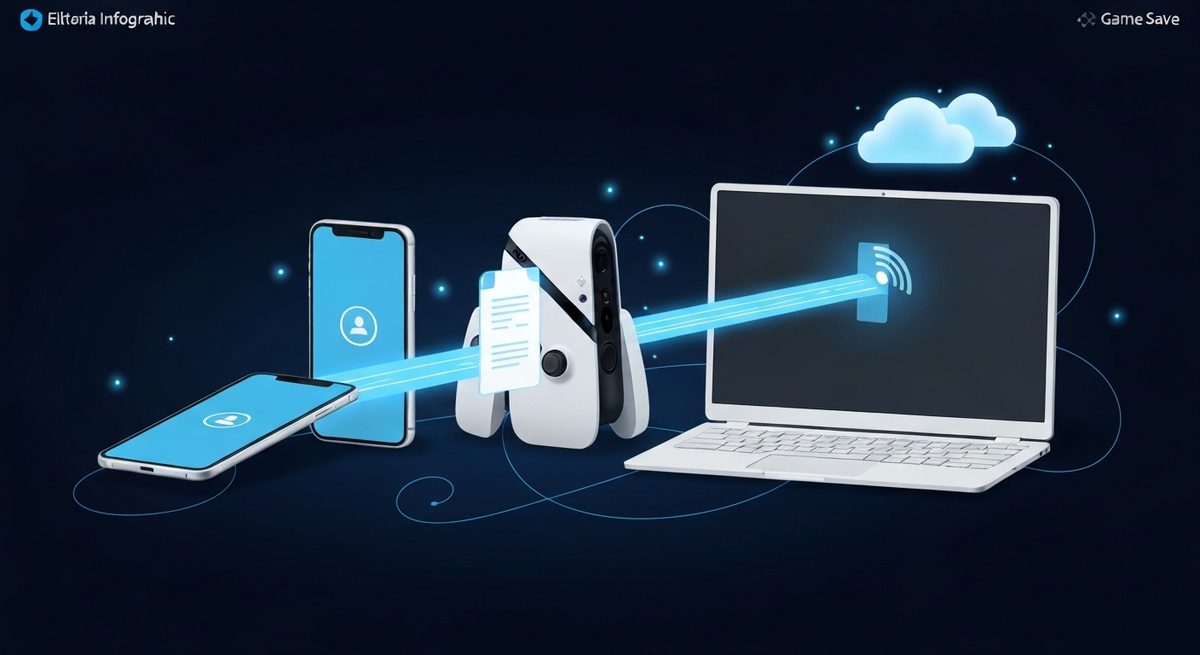
Effect snapshot
| Intervention | Enabling cloud-based progress sync across mobile, console, and PC platforms with seamless handoff |
| Outcome | 30-day player retention rate |
| Effect | 7–15 percent relative increase |
| Confidence | ab_test |
| Context | Players of multiplatform titles (mobile, console, PC) who have accounts on two or more platforms; measured over a 30-day post-install/post-update window |
Sources
- Google Play Console Help - Cross-platform play and cloud save guidance
- PlayStation Partners - Cross-Save and Cross-Platform Play
Why Save-State Continuity Moves the Retention Needle
Most churn in multiplatform games isn't a single bad session — it's a broken handoff. A player finishes a commute on mobile, sits down at a console that evening, and finds none of that progress waiting for them. That friction point is exactly where cloud-based progress sync intervenes. Controlled tests comparing players with seamless cross-platform save sync against matched cohorts without it show a 7% to 15% relative increase in 30-day retention. The mechanism isn't mysterious: removing the "which device has my save" decision removes a reason to simply not open the game that day.
What "Seamless Handoff" Actually Requires
The effect size reported here assumes sync that is automatic, near-instant, and conflict-free — not a manual export/import flow gated behind a menu. Implementations that hit the upper end of the 15% range typically share three traits: sync triggers on app background/foreground rather than a manual "save to cloud" button, conflict resolution favors the most recent completed session rather than forcing the player to choose, and the save state includes not just progress but session context (last objective, inventory, in-progress matchmaking) so the resumed session feels identical across devices. Partial implementations — for example, syncing cosmetic unlocks but not mid-level progress — tend to land closer to the 7% floor.
Where the Effect Is Strongest
The retention lift concentrates in specific player segments rather than applying uniformly. Players who already own the game on two or more platforms see the largest gains, since they're the ones actually exercising the handoff. Session-based and progression-heavy genres — RPGs, live-service shooters, farming/city-builder sims — benefit more than short-session arcade or puzzle titles, where there's less state worth preserving between devices. The effect is also more pronounced in the first two weeks after a player acquires a second platform (e.g., buying a console after playing on mobile), since that's when habit formation around "which device do I open" is still unsettled.
Where the Lift Shrinks or Disappears
Single-platform players obviously see no direct benefit, since there's nothing to sync — cross-platform sync is a retention lever specifically for multi-device users, not a general engagement feature. Sync latency matters more than most teams expect: if progress takes more than a few seconds to appear on the second device, players report distrust in the system and some revert to playing predominantly on one platform, eroding the effect. Titles with platform-exclusive content (a level, currency, or event only available on one platform) also dilute the benefit, since the sync feels incomplete and players notice the gap. Studios have found that poorly communicated sync — where the player isn't shown confirmation that a save transferred successfully — can produce anxiety-driven check-ins that inflate short-term session counts without genuinely improving 30-day retention.
Reading the Range for Your Own Roadmap
Because the reported effect comes from A/B testing rather than observational correlation, it's a reasonable planning input for a launch roadmap, but the width of the range (7-15%) matters for how you set expectations internally. Treat 7% as the baseline you should hit with correct, reliable sync and no additional polish. Treat 15% as achievable only if you pair sync with clear in-UI confirmation, sub-few-second propagation, and parity of content across platforms. Before shipping, instrument retention specifically for the multiplatform-owner segment — folding this cohort into your overall 30-day retention metric will understate the effect, since single-platform players dilute the signal.