
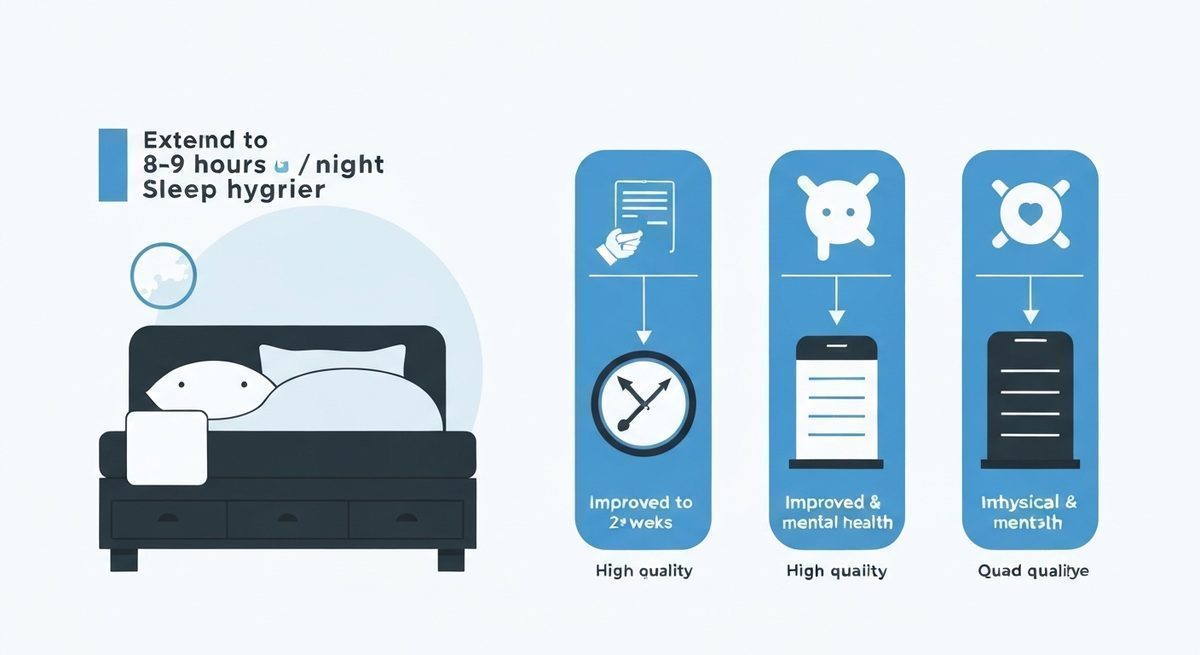
効果の概要
| 介入内容 | 2週間以上にわたり、1晩あたりの睡眠時間を8〜9時間に延長する |
| アウトカム | 反応時間およびスプリントドリルのスコア |
| 効果量 | 相対値で8〜15%の向上 |
| 確からしさ | study(研究レベル) |
| 対象コンテキスト | 大学バスケットボール・サッカー選手を対象とした睡眠延長研究 |
出典
何が変わるのか
学生アスリートを対象とした睡眠延長の介入研究では、反応時間やスプリントドリルのスコアが8〜15%(相対値)向上したという結果が複数報告されています。
こういう条件では効果が出やすい
- 対象が「大学バスケットボール・サッカー選手を対象とした睡眠延長研究」に近い条件であること
反応時間およびスプリントドリルのスコアを継続的かつ信頼性高く測定できること- 睡眠延長という介入を、中途半端にせず一貫して実施できること
注意すべき点
- 対象としているユーザーやプロダクトが、引用元の研究対象と大きく異なる場合
- 睡眠時間を確保するためのコストや、それに伴う副次的な影響が、得られる効果を上回る場合
- エビデンスレベルは study(研究) であり、幅のある効果量は「確約」ではなく「計画上の目安」として扱うべき点
実務での活用ポイント
引用した効果量のレンジは、優先順位付けや検証設計の参考値として活用してください。本格的に展開する前に、必ず自分たちのデータで検証することをおすすめします。